Thursday, 17 February 2011

Focal Lengths

This is an exercise in using different focal lengths (lenses).


Ilfracombe Harbour, North Devon

1/340, F5. ISO64. Focal Length 17.1mm (Digital)

1/550, F5.6. ISO64. Focal Length 70.8mm (Digital)


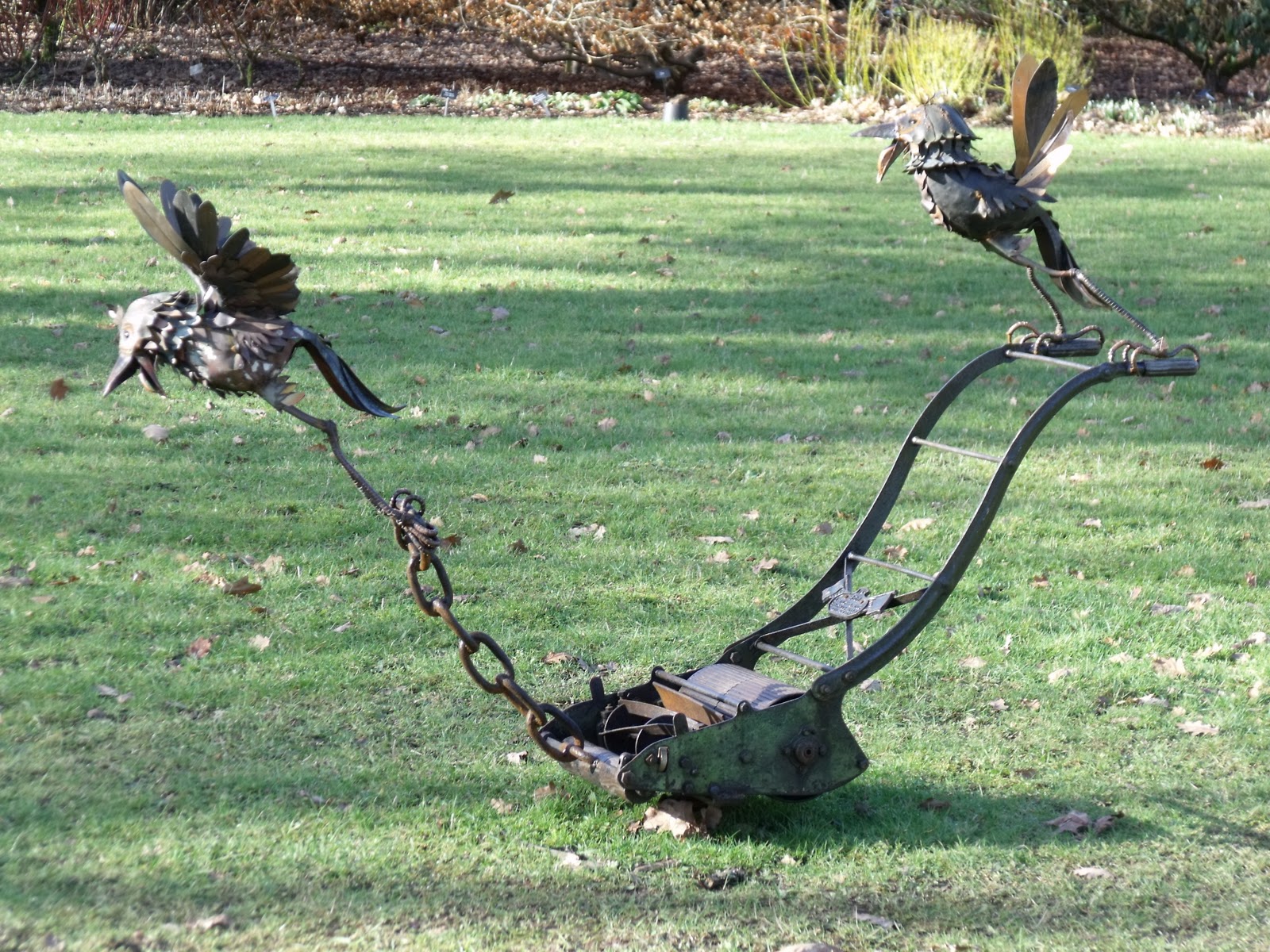
Sculpture - RHS Rosemoor - Torrington, Devon.

1/140, F3.3. ISO64. Focal Length 24.7mm (Digital)

1/170, F5. ISO100. Focal Length 70.8mm (Digital)


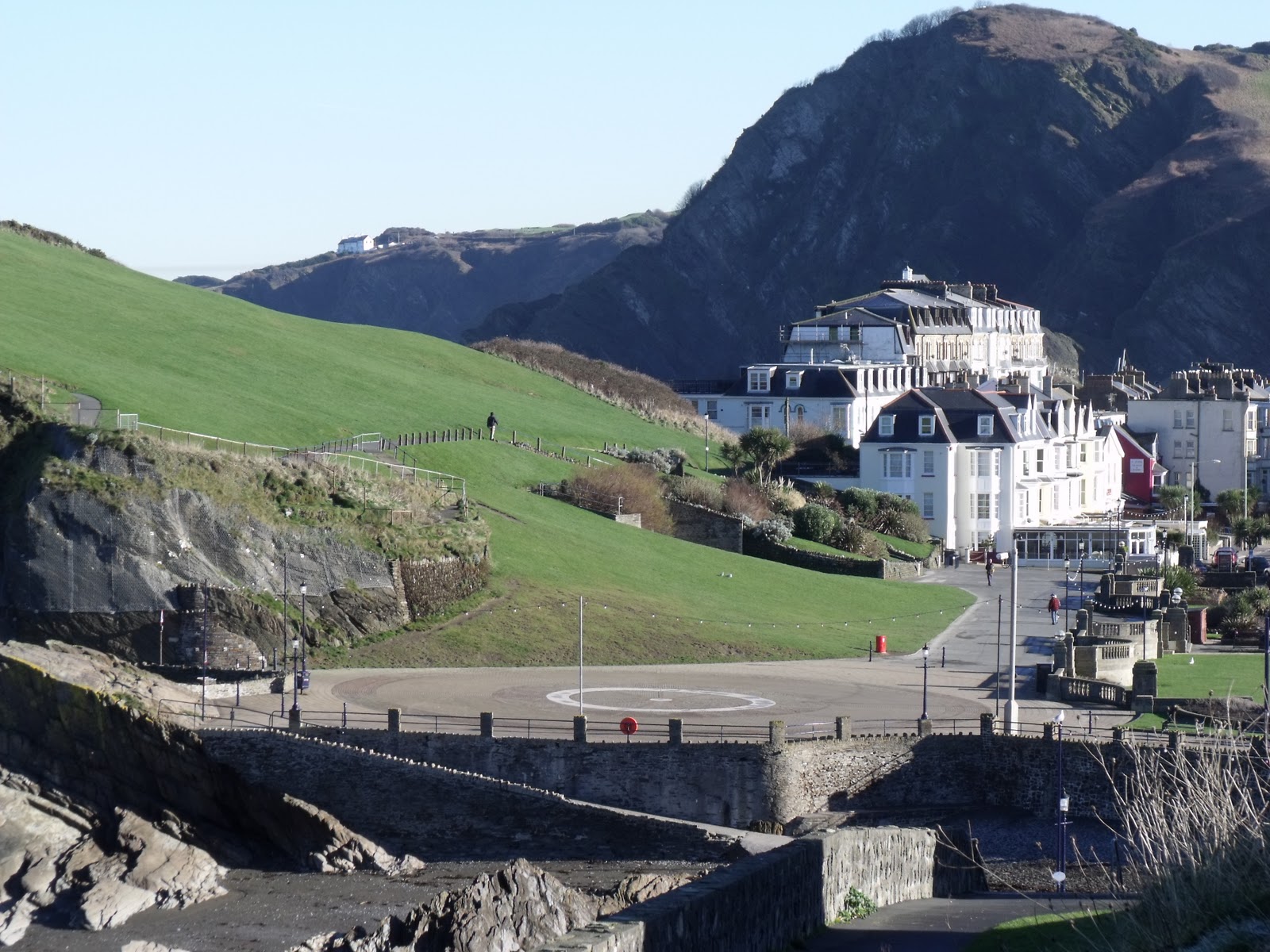
Seafront - Ilfracombe, Devon

1/180, F5. ISO64. Focal Length 24.7mm (Digital)

1/50, F5. ISO64. Focal Length 70.8mm (Digital)

Object in different positions in the frame


In this set of photo's, the aim was to put the same object in different places with the frame. I had a very courteous seagull who was promised the possibility of fame and fortune through a photo shoot. Unfortunately he flew off before signing the contract. 

This is my control shot with the subject matter centred in the frame.


The next shot puts the subject in the top left of the frame.
This give a good triangle shape, formed of the rock the seagull is standing on.


In this shot the subject is positioned in the top right.
Because of the shape of the rock, I feel this doesn't work as well as the photo above.
The rock appears to dominate the photo, in a way it doesn't in the one above.


This photo shows the subject in the bottom left. It works fine, but the horizon is a little crooked and the frame is a little bare. But generally works, but not as well as the one with the subject in the top left.


Fitting the frame to the subject

The purpose of these photo's was to fill the frame with the subject matter, then take some shots around the original subject matter. I used a red boat in Ilfracombe harbour. Because the tide was out the bottom of the boat, including the propeller, was visible.
My original 'snap' - control point.

The same boat framed


Close up of the propeller and rudder, back lit with bright sunshine

Ropes and shadows. I could probably crop the part right hand fender.
Also crop the name.

Thursday, 20 January 2011

Getting used to my camera.

So, Rosie and I went for a walk into Ilfracombe and then onto the South West Coastal Path and then back home to Slade.


Getting used to the zoom lens;

Picture taken with wide zoom (33mm equiv)

Zoom at 'actual' size, approx 50mm (equiv).

At full tele zoom. 396mm (equiv)
At this zoom it was hard keeping the camera still.
I will use the monopod or tripod next time.


Keeping the focus point fixed, but changing the aperature;

200 @ F2.8

200 @ F6.4

200 @ F8

This didn't quite get the effect I was looking for. I would have expected the focus to be different on each photo. I will try this again using a different subject matter.


Different Focus points using the same aperature;

Focus on the bush in the foreground.
200 @ F2.3
All but the foreground is blurred.

Focus on the mid-distance rocks.
200 @ F5
Foreground is blurred and hill is slightly out of focus.

Focus on the distant hill.
200 @ F11
Foreground is blurred.

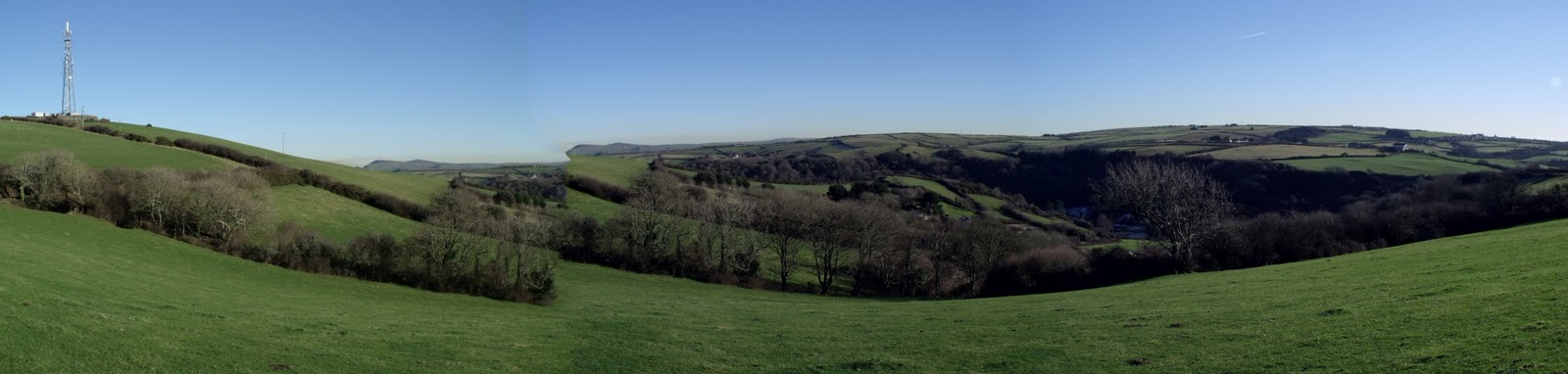
Using the Panorama option to automatically stitch three pictures together;


I was very impressed with the result of this. You get the depth and curves of the landscape.

Tuesday, 18 January 2011

Studying Photos in newspapers and magazines

Part of the introduction is to study photos used in advertising and as additions to text in newspapers and magazines. The National Geographic has some lovely pictures of the inside of a Vietnam cavern [January 2011, pp104-111]. The vastness of the cave and the insignificance of the human in the foreground gives a great sense of scale.
The choise of photos in the James Blunt 'on the road' book shows some more original shots. Not the usual 'here I am as a child', 'growing up', etc.
Looking at the current newspapers on-line, while there are some interesting photos, most are just there to show the person/persons that are included in the article. Some of the war/drama stories cover better shots, more dramatic.
So, on to 'getting to know your camera'. As I have previously mentioned I have printed off the full manual for my new camera. I have gone for a 'bridge' digital camera, which is a halfway house between a compact and a digital SLR. The rason for this was mostly cost and me not really knowing what type of SLR to go for. I bought a Pentax 35mm SLR when I first went migrated from a compact 110 camera back in the early 80's. The Pentax was, and I have to say, still is a lovely camera, but it was the Ricoh body I purchased a year later that became my workhorse. It was easier to take manual photos, but still allowed auto, point and click too. I do not know enough about digital SLR's yet to make that jump. One day.
'Getting to know your camera'...

Autofocus and being a control freak

Ok, I know I am a bit of a control freak. Today I saw the squirril upside down outside the window, helping itself to the fat balls. Lovely photo opportunity. So new camera in hand I tried to capture the shot, only to find that the auto focus decided that the marks on the glass would make a better picture.
The photo was lost. I have resigned myself to printing off all 117 pages of the camera manual, annoyingly supplied as a .pdf on a CD, in order to really get to grips with how to get over this sort of problem.
Lesson learned. It was so simple in the old days of 35mm SLR's, with no autofocus, unless like me you wear glasses and forget to have them on when you take a quick shot and can't understand why what looked like a great shot turns out to be blurry when you get the pictures back from the developers.
I start the first main chapter in the course tonight.

Monday, 17 January 2011

1st Assignment

I have heard back from my tutor and have a date for my first assignment from my tutor. It is March. So, here goes. The books arrived today and I have read all through the supplement workbooks, so I can now start the course for real!